September 17, 2026
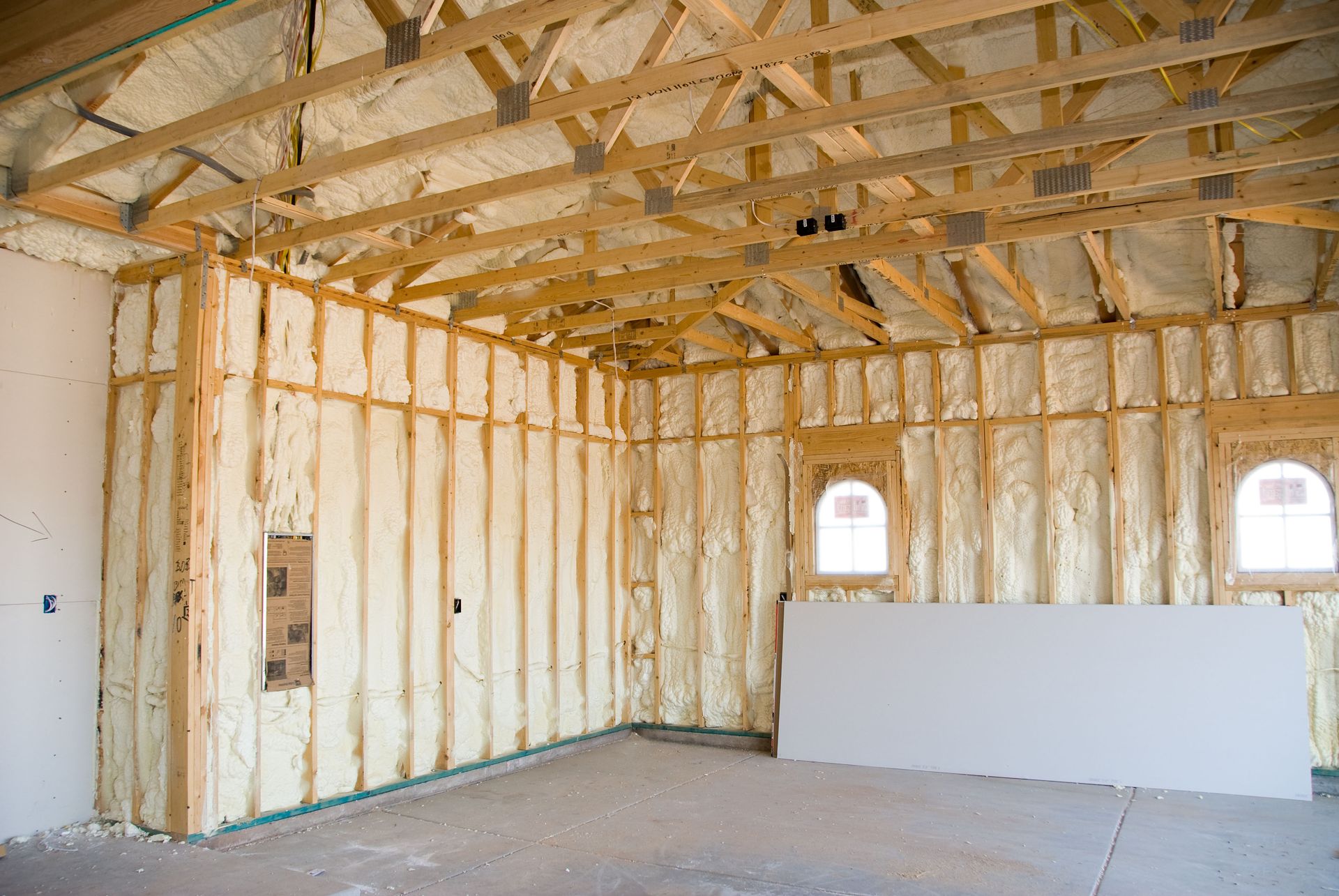
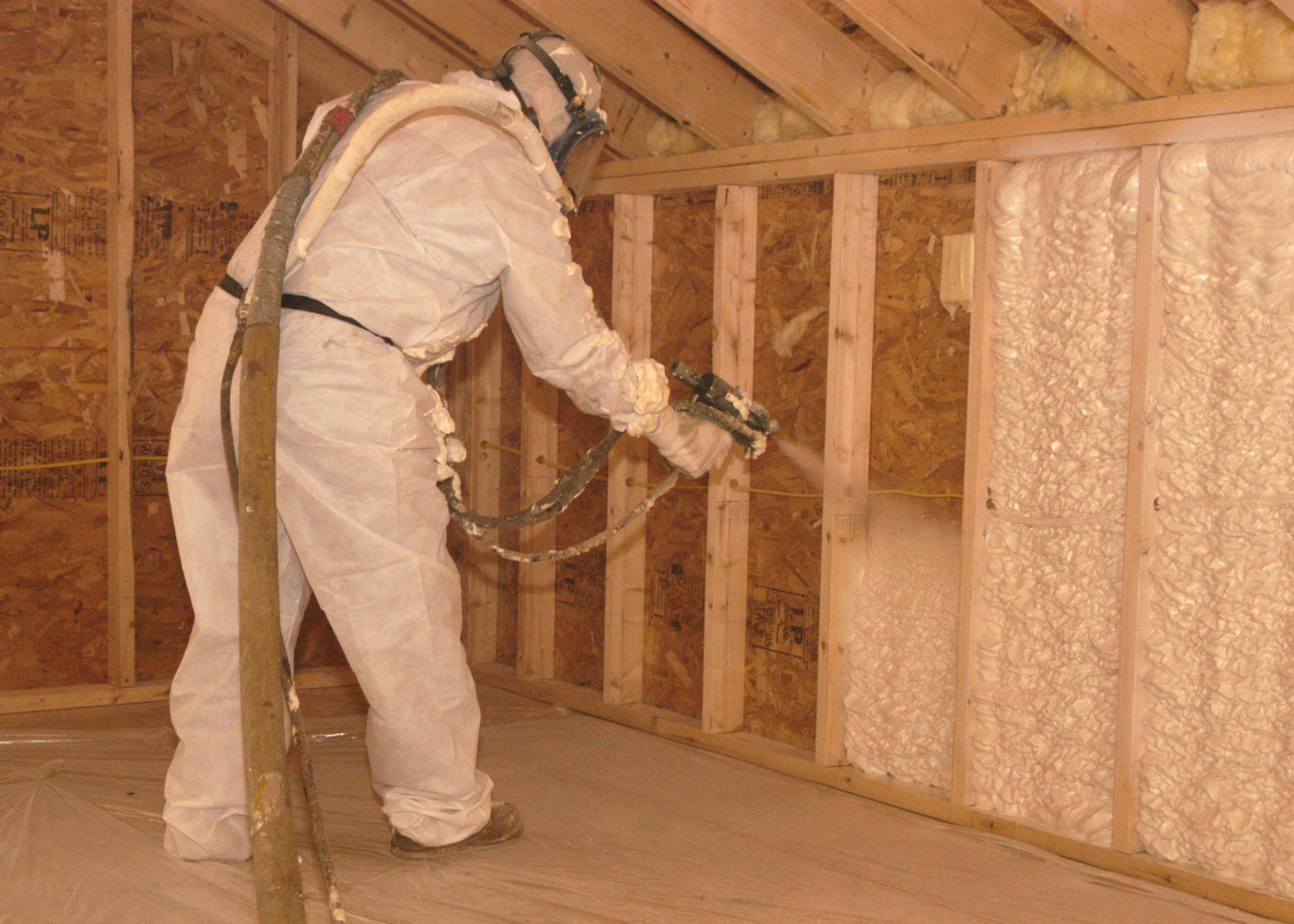
Creating a comfortable interior space requires careful planning and thoughtful material selections during construction or renovation projects. Building owners continuously look for ways to maintain stable indoor climates while protecting structural framing from external weather elements. Traditional insulating options often allow drafty air movements, leading to cold spots, fluctuating internal temperatures, and inconsistent indoor comfort. Modern building techniques prioritize complete coverage to prevent unwanted air movement and protect structural components. Selecting spray foam insulation offers a comprehensive approach that solves multiple building envelope challenges simultaneously.
1. Enhanced Thermal Resistance
Thermal resistance measures how effectively a material prevents conductive heat transfer through building assemblies. Higher resistance values mean that warm or cool air remains inside the living space rather than escaping through walls, floors, and roofs. According to Consumer Reports, spray foam insulation generally yields an R-value ranging from R-3.2 to R-7.5 per inch of thickness. This remarkable resistance level ensures that interior spaces remain protected against harsh weather shifts throughout summer heatwaves and winter cold snaps.
When applied inside wall cavities or attic spaces, expanding foam creates an unbroken thermal barrier that minimizes thermal bridging. Thermal bridging occurs when dense framing members like wooden studs carry heat across wall assemblies, creating localized temperature losses. By expanding into every corner and gap, the material eliminates air voids where heat transfer commonly occurs. Consequently, heating and cooling equipment operates efficiently without working continuously to overcome persistent thermal loss. This continuous envelope maintains steady, comfortable temperatures in every room.
Additionally, consistent thermal performance protects upper floors and corner rooms from dramatic temperature variations. Buildings insulated with outdated or sagging materials frequently suffer from uncomfortable drafts, hot ceilings, and uneven temperatures between floors. Complete coverage prevents warm air from rising out through the roof in winter while blocking intense summer heat from entering through attic spaces. Occupants enjoy balanced comfort throughout the entire building regardless of extreme weather conditions outside.
2. Superior Moisture Barrier
Moisture infiltration poses a continuous threat to structural durability and indoor air quality. Water vapor moves easily through unsealed wall cavities, condensing against cold surfaces and causing hidden structural damage over time. Persistent moisture accumulation weakens timber framing, degrades drywall, and promotes widespread wood decay. Utilizing spray foam insulation creates a resistant barrier that stops humid air from migrating into vulnerable wall cavities. Preventing vapor movement protects essential structural members from premature deterioration.
Uncontrolled humidity within wall cavities also creates ideal growth conditions for harmful mold and mildew. Fungal spores flourish in damp, unventilated spaces where organic building materials supply nourishment. Once established, mold colonies release airborne spores that spread through ventilation systems and degrade indoor air quality. Because expanding foam fills every void, it removes the damp air pockets where mold spores settle and grow. This continuous seal keeps wall assemblies dry and healthy throughout the entire year.
Furthermore, protecting crawl spaces and basement walls from moisture migration helps prevent foundation-level dampness. Ground moisture frequently rises through crawl space floors, carrying heavy humidity into living spaces above. Applying expanding foam along foundation walls and rim joists creates an impermeable barrier against soil dampness. Proper moisture control preserves floor joists, stops musty odors, and protects lower levels from ambient dampness.
3. Complete Air Sealing
Uncontrolled air leakage remains a major source of energy waste and indoor discomfort in modern buildings. Tiny gaps around window frames, plumbing penetrations, electrical boxes, and rim joists allow outdoor air to enter freely while conditioned indoor air leaks away. Standard fibrous batt materials permit air to pass directly through their porous structures, failing to stop drafts. In contrast, spray foam insulation expands instantly upon application, sealing gaps and seams to construct an airtight barrier that stops convective air movement entirely.
Superior air sealing allows mechanical ventilation systems to perform as intended by regulating exact airflow paths. Properly sealed buildings enable HVAC equipment to maintain precise indoor humidity and fresh air circulation without battling random outdoor air intrusion. Sealing structural gaps also prevents outdoor dust, pollen, wildfire smoke, and vehicle exhaust from drifting into living areas through wall voids. Occupants breathe cleaner air while enjoying a controlled indoor climate.
Moreover, stopping convective air currents protects mechanical equipment from unnecessary wear caused by continuous operation. Heating and cooling units that run constantly to overcome persistent drafts experience accelerated mechanical strain. Sealing the structural envelope allows HVAC systems to reach target temperatures quickly and maintain them with ease. This continuous protection supports long-term equipment performance while maintaining exceptional interior comfort.
4. Increased Structural Support
In addition to thermal resistance and air sealing, high-density expanding foam provides physical reinforcement to building assemblies. Closed-cell formulations bond firmly to framing studs, roof sheathing, and exterior wall panels, creating a rigid composite structure. This cohesive bond increases the overall strength of wall and roof assemblies, helping buildings withstand external forces like high winds and heavy snow loads. Incorporating spray foam insulation into wall framing increases racking resistance, which prevents structural shifting during severe windstorms.
Roofing structures gain substantial rigidity when expanding foam is applied along the underside of roof sheathing. High winds create powerful uplift forces that attempt to pull roof panels away from underlying rafters. The strong adhesive bond of expanded foam ties roof panels directly to structural rafters, distributing wind loads evenly across the framing system. This added structural bond reduces the likelihood of wind uplift damage during intense storms.
Furthermore, structural reinforcement minimizes minor building movements that cause drywall cracking and floor squeaks. Natural temperature changes cause framing lumber to expand and contract, leading to minor structural shifts over time. The solid bond provided by expanding foam dampens these micro-movements, preserving interior wall finishes and stabilizing floor assemblies. This hidden strength contributes significantly to long-term building durability.
5. Maximum Sound Reduction
Outdoor noise from traffic, sirens, construction, and busy neighbors often penetrates residential and commercial spaces. Airborne sound waves travel easily through unsealed cracks, hollow wall cavities, and porous insulation materials. Because spray foam insulation seals every crack and fills open wall cavities, it significantly reduces the transmission of airborne sound into living areas. This sound-dampening property creates quiet indoor spaces isolated from busy surrounding environments.
Different types of noise require effective material density to achieve sound reduction. Airborne sounds like passing vehicles and loud conversations are dampened when sound waves hit dense, continuous barriers. Open-cell foam formulations excel at absorbing mid-frequency sound waves inside interior partition walls, making them ideal for home offices, bedrooms, and media rooms. Installing dense foam within interior walls keeps sound contained within designated zones.
Additionally, dampening mechanical vibrations from plumbing pipes and ductwork improves overall acoustic comfort. Water pipes and metal ducts running through wall cavities often vibrate against framing studs when in use. Expanding foam encases these utilities securely, absorbing vibrations before they radiate into adjacent rooms. Combining acoustic absorption with air sealing ensures a tranquil indoor atmosphere free from external and internal noise distractions.
Upgrading building envelopes with high-performance insulating materials provides lasting benefits for thermal efficiency, moisture defense, structural stability, and indoor peace. Eliminating uncontrolled drafts and sealing structural cavities protects building components while ensuring balanced year-round comfort. Investing in advanced envelope protection preserves structural health and elevates daily living standards. Selecting high-performance foam ensures comprehensive building protection that stands up to demanding environmental conditions.
If you are ready for a comfortable indoor environment and superior building performance, contact us at RevFoam Insulation today. We will help you achieve optimal thermal efficiency and long-lasting structural protection with spray foam insulation for your property.